Quick-Pickled Radishes for the Fridge Door
A small jar of crisp, sharp radishes adds brightness to sandwiches, grain bowls and simple weeknight plates.
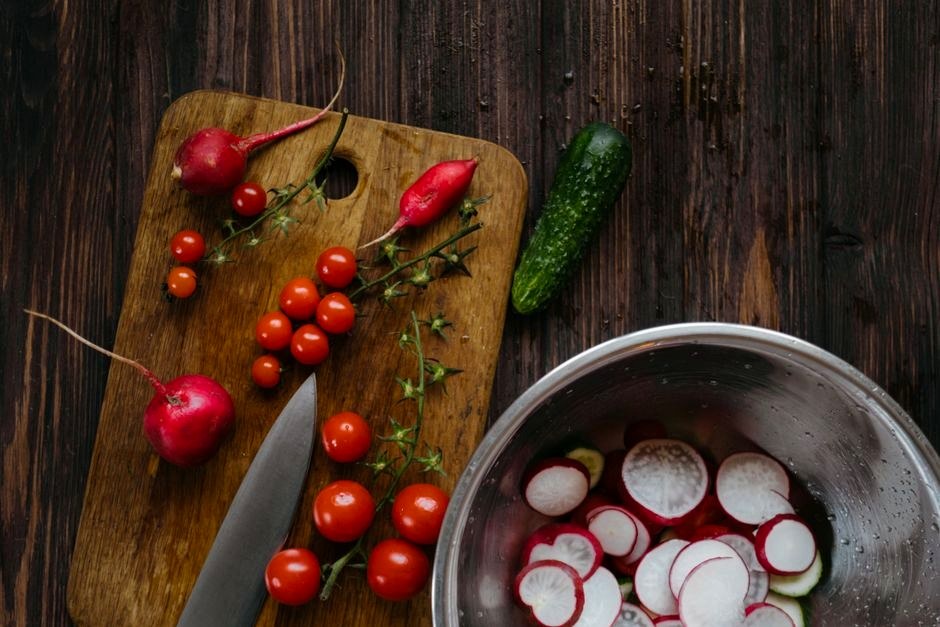
Radishes are easy to buy with good intentions and equally easy to forget at the back of the vegetable drawer. A quick pickle solves that problem in about fifteen minutes. The result is crisp, tangy and useful enough to earn permanent space in the fridge door.
The basic jar
For one medium jar, start with a bunch of radishes, washed and trimmed. Slice them into thin rounds with a sharp knife. Thicker slices stay crunchier; very thin slices take on the brine faster and soften sooner.
In a small saucepan, warm equal parts water and vinegar with a spoonful of sugar and a generous pinch of salt. You are not trying to make a heavy syrup. The sugar simply rounds off the vinegar. White wine, apple cider or rice vinegar all work, each with a slightly different character.
- 1 bunch radishes
- 120 ml water
- 120 ml vinegar
- 1 tablespoon sugar
- 1 teaspoon fine salt
- Optional: peppercorns, dill stems, mustard seeds or a strip of lemon peel
Pack the sliced radishes into a clean jar. Pour the warm brine over them until covered, tap the jar gently to release trapped air, then let it cool before putting on the lid.
Use the flavor you already have
The best additions are often scraps from another meal. A few dill stems, two slices of garlic, a pinch of coriander seed or the peel from half a lemon can change the jar without turning it into a project. Choose one or two accents rather than adding everything at once.
The color changes quickly. Red skins tint the liquid pink, and by the next day the whole jar looks brighter. The texture stays at its best when the slices are fully covered by brine and the jar is kept cold.
Where they become useful
Add a forkful to a cheese sandwich, tuck them beside roasted potatoes, scatter them over lentils, or chop them into a bowl of cucumber and herbs. They are especially good when a meal needs acidity but another sauce would feel heavy.
The brine can also do a second job. A spoonful whisked with olive oil makes a quick dressing for greens or grain salads. Taste before adding more salt because the brine already carries plenty.
Make less, more often
Quick pickles are at their best as a small-batch habit. One jar disappears before it becomes clutter, and the method adapts easily to a handful of carrots, a little red onion or the last cucumber in the drawer. The aim is not long-term preserving. It is simply a useful way to turn fresh vegetables into something ready for the next meal.