What a Fallen Log Is Doing for the Forest
A rotting trunk may look finished, but it becomes shelter, food and structure for a busy layer of woodland life.
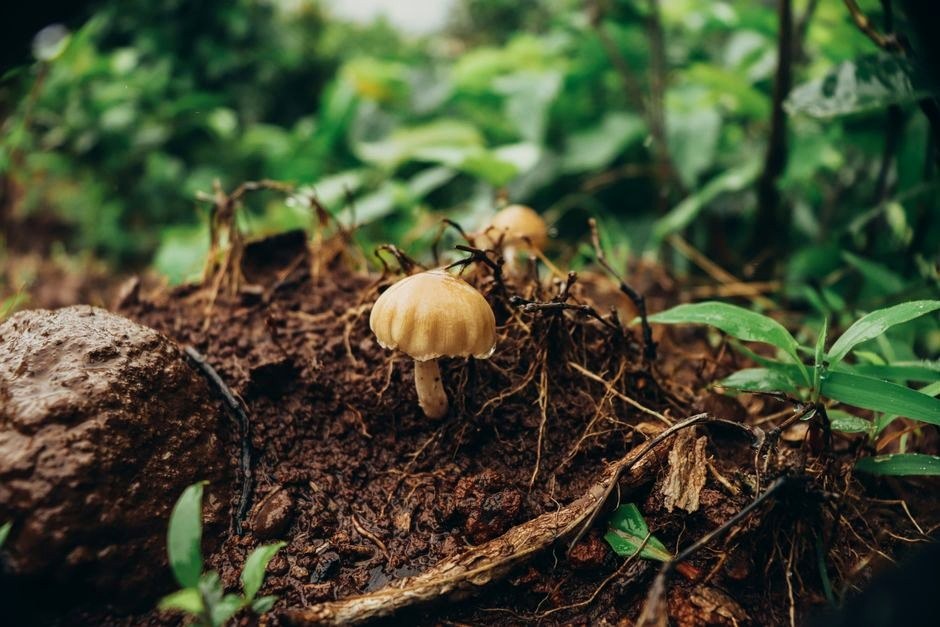
A fallen tree changes slowly enough that it is easy to mistake it for scenery. In reality, the log is becoming a different kind of habitat. Bark loosens, wood softens, fungi appear, insects make tunnels, and pockets of damp material collect seeds and leaves. What looks like an ending is a long transition.
The first changes are physical
Once a trunk reaches the ground, it begins to hold moisture differently. The underside stays cool and shaded. Rain gathers in cracks. Loose bark creates narrow spaces protected from wind and direct sun. Those small differences in temperature and humidity make the log useful to organisms that would struggle on an exposed patch of soil.
Over time, the wood also becomes easier to break apart. Freezing, thawing, insects and fungi all contribute. Touch an old log gently and you may find that the surface has become almost sponge-like, especially where bark has disappeared.
Fungi make the hidden work visible
Mushrooms are only the temporary fruiting bodies of much larger fungal networks. When they appear on a log after rain, they offer a visible clue that decomposition is well underway. Fungi help break complex woody material into forms that can move back through the forest system.
That process does not happen in isolation. Beetles and other small invertebrates use softened wood, birds search the bark for food, moss settles into damp grooves, and seedlings may eventually root in the decayed surface. A single log can contain several miniature conditions from one end to the other.
A good object for slow observation
If you walk the same woodland regularly, choose one fallen trunk and visit it in different seasons. In spring you may notice new moss growth. After a wet week, fungi can appear almost overnight. In late summer the upper surface may dry while the shaded underside remains cool.
Photography helps because change is gradual. Take one picture from the same angle every few months, then compare them later. You are not documenting a dramatic event so much as the patient rearrangement of material.
Look without disturbing
It can be tempting to roll a log over to see what lives beneath it. Leaving it in place is usually the better habit. Its position is part of the habitat, and small creatures may depend on the dark, damp space underneath. Observe from the edges, notice textures, and let the structure keep doing its work.
A forest floor is not tidy, and it does not need to be. Fallen wood gives the ground height, shade, shelter and a store of material that is gradually returned to the living system around it. Once you start noticing those logs, a woodland walk becomes less about individual trees and more about the connections between them.